Hood Cleaning Cost Guide: What to Expect and How to Compare Quotes
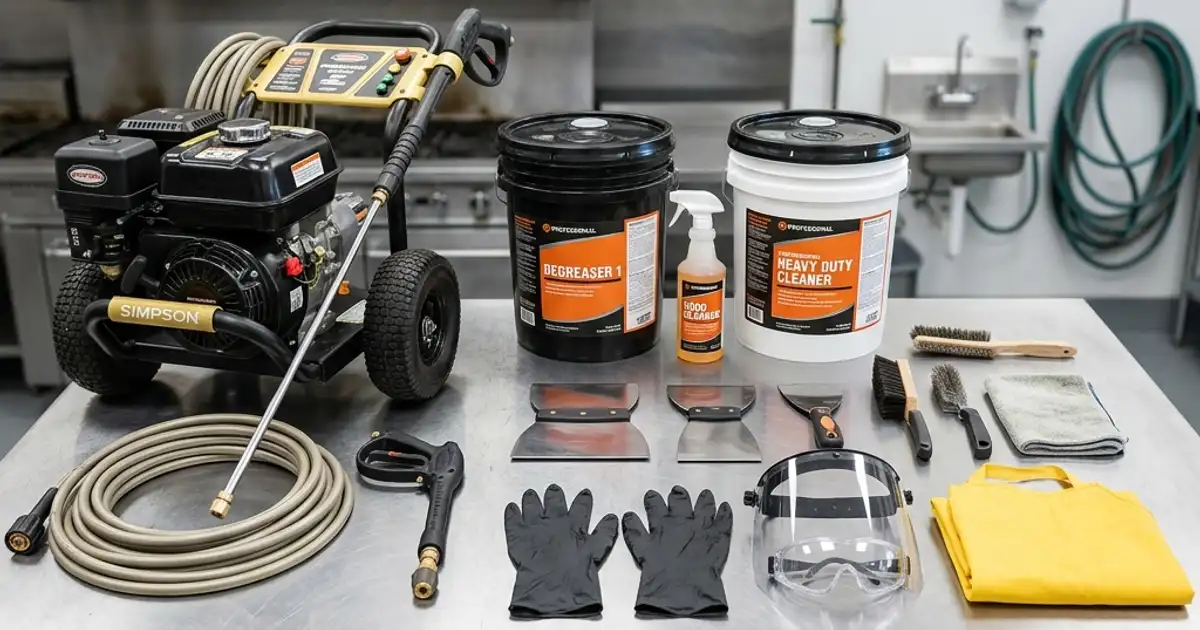
Commercial hood cleaning costs between $700 and $1,500 per service for a standard commercial restaurant, with high-volume operations reaching $1,200 to $2,500. Pricing varies based on kitchen size, number of hoods, grease buildup level, and cleaning frequency. Prices vary by system size, access difficulty, and metro area. Figures based on industry averages as of 2026. Understanding what drives these costs helps you budget accurately and avoid overpaying. This guide breaks down average pricing by kitchen type, explains the factors that affect your quote, and shows you how to compare providers to get the best value for your investment.
Average Hood Cleaning Costs
The cost of commercial hood cleaning depends primarily on the size of your kitchen operation, the number of hoods and exhaust fans in your system, and how frequently you schedule service. Below is a breakdown of typical pricing across different kitchen types. These figures represent national averages and may vary based on your geographic location and the specific conditions of your exhaust system.
| Kitchen Type | Typical Cost | Frequency |
|---|---|---|
| Small restaurant (1 hood) | $300 - $500 | Quarterly |
| Standard restaurant (1-2 hoods) | $700 - $1,500 | Quarterly |
| High-volume restaurant (2-3 hoods) | $1,200 - $2,500 | Monthly |
| Fast food / QSR | $400 - $700 | Monthly |
| Hotel / large facility | $800 - $2,000 | Monthly |
| Food truck | $200 - $400 | Quarterly |
These prices reflect the cost of a standard hood cleaning service and may not include add-on services such as duct cleaning or grease trap maintenance. Always request an itemized quote so you know exactly what is included.
What Affects Hood Cleaning Pricing
Hood cleaning is not a one-size-fits-all service. Multiple factors influence the final price you pay. Understanding these variables helps you evaluate quotes more effectively and ensures you are comparing apples to apples when reviewing proposals from different hood cleaning companies.
- Kitchen size: Larger kitchens have more surface area to clean, longer ductwork runs, and often more hoods. A small cafe kitchen takes far less time and labor than a hotel banquet kitchen.
- Number of hoods and exhaust fans: Each additional hood and exhaust fan adds time and materials to the job. Most companies price per hood or per linear foot.
- Grease buildup level: Kitchens that cook with a lot of oil, such as deep fryers and wok stations, accumulate grease faster. Heavy buildup requires more chemicals, more labor, and longer cleaning times.
- Accessibility: If your ductwork is difficult to reach, requires roof access, or has limited access panels, the cleaning company may charge more. Installing additional access panels can reduce long-term costs.
- Cleaning frequency: Kitchens cleaned on a regular schedule typically have less buildup, making each service faster and cheaper. Refer to our hood cleaning frequency guide to determine the right schedule for your operation.
- Geographic location: Labor rates and operating costs vary significantly across the country. Urban areas and coastal cities tend to have higher pricing than rural markets.
- Time of service: Most hood cleaning happens after hours or overnight. Emergency or same-day service requests typically carry premium pricing of 20 to 50 percent above standard rates.
Cost by Service Type
Hood cleaning companies offer a range of services beyond the basic hood and filter cleaning. Understanding how each service is priced helps you build a complete picture of your maintenance costs and avoid surprises on your invoice.
| Service | Typical Cost |
|---|---|
| Hood Cleaning | $700 - $1,500 |
| Exhaust Fan Cleaning | $200 - $400 |
| Grease Duct Cleaning | $300 - $500 |
| Rooftop Grease Containment | $150 - $300 |
| Fire Suppression Inspection | $150 - $350 |
| Kitchen Deep Cleaning | $500 - $1,000 |
| Access Panel Installation | $100 - $250/panel |
| Filter Replacement | $50 - $150/filter |
| Grease Trap Cleaning | $200 - $500 |
| Post-Fire Restoration | $1,000 - $5,000+ |
Many companies offer bundled pricing when you combine multiple services. For example, booking hood cleaning together with exhaust fan cleaning and grease duct cleaning can save 10 to 15 percent compared to scheduling each service separately.
How to Compare Quotes
Getting multiple quotes is essential, but comparing them effectively requires looking beyond the bottom-line number. A low-cost quote that skips critical cleaning areas can end up costing you far more in the long run through failed inspections, fire hazards, and compliance violations. Use our directory to evaluate providers side by side.
What to Ask Every Provider
- Does the quote include cleaning the entire exhaust system from hood to rooftop fan, or only the visible hood area?
- Are before-and-after photos included as documentation for your inspection records?
- Is the company IKECA certified or trained to NFPA 96 standards?
- Does the company carry liability insurance and workers compensation coverage?
- Will they provide a certificate of service that includes the date, areas cleaned, and any deficiencies found?
- What is the estimated time on site and how many technicians will be assigned?
Red Flags to Watch For
- Quotes significantly below market rate with no clear explanation of what is included.
- No mention of NFPA 96 compliance or industry certifications.
- Unwillingness to provide references or proof of insurance.
- Verbal-only quotes without written documentation of scope.
- Companies that do not provide before-and-after photos or service certificates.
The best value is not always the lowest price. A thorough cleaning that meets NFPA 96 compliance standards protects your business from fires, fines, and insurance claim denials. Focus on the scope of work, the company's qualifications, and their reputation in the industry.
Money-Saving Tips
While you should never cut corners on hood cleaning, there are several legitimate ways to reduce your costs without sacrificing quality or compliance. The key is proactive maintenance between professional cleanings and smart scheduling.
- Maintain a regular cleaning schedule: Consistent cleaning prevents heavy grease buildup, which means shorter service times and lower costs per visit. Kitchens cleaned on schedule typically pay 15 to 25 percent less per service than those that wait until buildup is severe.
- Replace filters regularly: Grease filters are your first line of defense. Replacing or cleaning them weekly keeps grease out of your ductwork and reduces the workload for professional cleaners. Filters cost $50 to $150 each, a small investment that significantly reduces duct cleaning costs over time.
- Daily wipe-downs: Train kitchen staff to wipe down accessible hood surfaces, drip trays, and filter frames at the end of each shift. This simple habit reduces grease accumulation and extends the time between professional cleanings.
- Negotiate frequency discounts: Most hood cleaning companies offer discounted rates for recurring service contracts. Monthly contracts can save 10 to 20 percent per service compared to one-time or on-demand pricing. Ask about annual agreements for additional savings.
- Bundle services: Scheduling multiple services like hood cleaning, exhaust fan cleaning, and grease trap maintenance in a single visit reduces travel and setup costs. Many providers pass these savings on to customers.
- Manage grease proactively: Install and maintain rooftop grease containment systems to prevent grease damage to your roof. Use grease management practices like proper oil disposal and cooking temperature control to minimize airborne grease entering the exhaust system.
The Cost of NOT Cleaning Your Hood System
Skipping or delaying hood cleaning may seem like a way to save money in the short term, but the financial consequences of neglecting your exhaust system can be devastating. The risks fall into three major categories: regulatory fines, fire damage, and insurance complications.
Regulatory Fines and Penalties
Health departments and fire marshals conduct regular inspections of commercial kitchens. A failed hood cleaning inspection can result in fines ranging from $500 to $10,000 or more depending on your jurisdiction and the severity of the violation. Repeat violations can lead to business closure orders. In some states, the fire marshal can shut down your kitchen immediately if the grease buildup presents an imminent fire hazard.
Kitchen Fire Damage
Grease fires in commercial kitchens are one of the leading causes of restaurant fires in the United States. The average commercial kitchen fire causes $23,000 or more in direct property damage, not including lost revenue during closure, employee wages during downtime, and the cost of rebuilding your reputation. Many kitchen fires result in total losses exceeding $100,000. A dirty exhaust system acts as a fuel source that can turn a small stovetop flare-up into a catastrophic building fire.
Insurance Claim Denials
Most commercial property insurance policies require proof of regular maintenance, including hood cleaning that meets NFPA 96 compliance standards. If a fire occurs and you cannot produce documentation of regular professional cleaning, your insurance company may deny your claim entirely. The cost of regular hood cleaning, typically $2,800 to $6,000 per year for most restaurants on a quarterly schedule, is a fraction of what an uninsured fire loss would cost your business.
Bottom line: Spending $700 to $1,500 quarterly on professional hood cleaning is an investment that protects your business from fines, fires, and financial ruin. Find a qualified provider through our hood cleaner directory and schedule your next service today.
Frequently Asked Questions
Ready to Get a Quote?
Compare certified hood cleaning professionals in your area. Get free quotes and find the best value for your kitchen.
Find Hood Cleaners Near You