Opening a Restaurant? Your Hood Cleaning Compliance Checklist
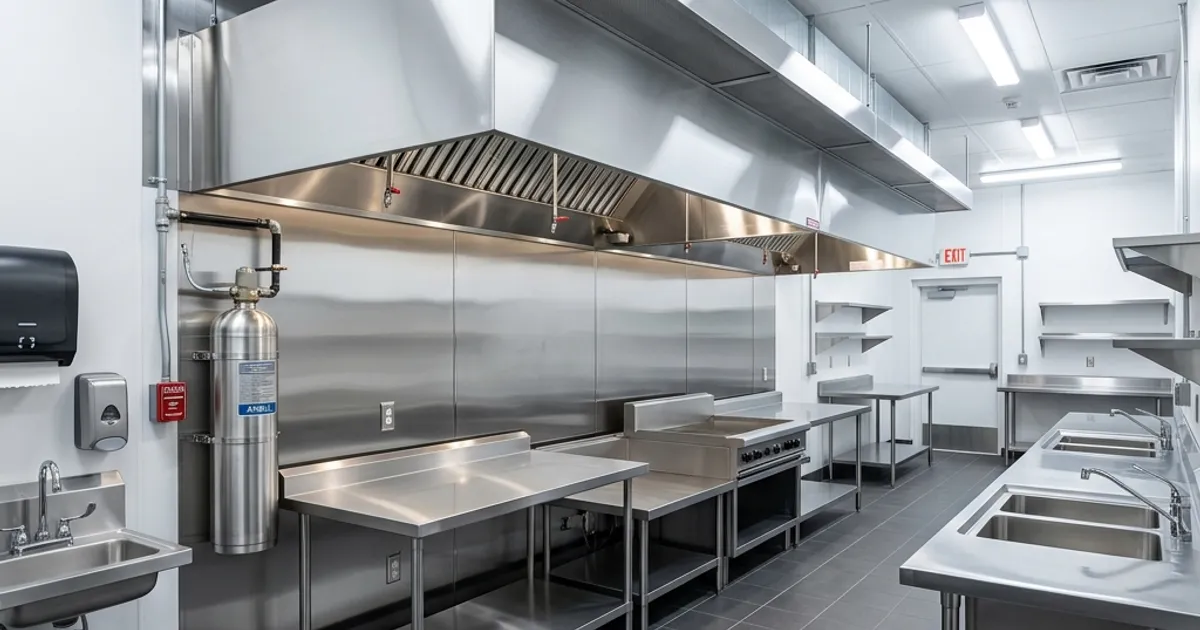
Opening a new restaurant requires meeting dozens of compliance requirements before you can serve your first customer, and commercial kitchen hood cleaning is one of the most important. A new restaurant must have a professionally cleaned exhaust system, an inspected fire suppression system, and a documented maintenance plan before the fire marshal will approve your occupancy permit. This checklist covers every hood cleaning compliance step that new restaurant owners need to complete, from initial system inspection through establishing an ongoing cleaning schedule.
Step 1: Verify Your Exhaust System Installation
Before you think about cleaning, verify that your kitchen exhaust system was installed correctly and meets NFPA 96 (National Fire Protection Association Standard for Ventilation Control and Fire Protection of Commercial Cooking Operations) requirements. A properly installed system includes a Type I hood sized correctly for your cooking equipment, a duct run from the hood to the roof with the correct number of access panels, an exhaust fan rated for the system's airflow requirements, and a fire suppression system integrated with the hood.
If you are building out a new space, your contractor and fire protection engineer should handle this. If you are taking over an existing restaurant space, have the system inspected by a qualified hood cleaning company to verify that the previous tenant maintained the system properly. Existing systems may have hidden grease accumulation, damaged ductwork, or outdated suppression systems that need to be addressed before you open. Many issues can be identified during an initial cleaning.
Step 2: Schedule an Initial Professional Cleaning
Even if your exhaust system is brand new, schedule a professional cleaning before your first day of operation. New construction generates dust, debris, and residue from installation that can contaminate your cooking environment and interfere with the system's operation. For existing systems, an initial deep cleaning removes whatever the previous operator left behind and gives you a documented clean baseline.
This initial cleaning should be performed by an IKECA-certified (International Kitchen Exhaust Cleaning Association) company whenever possible. IKECA certification means the company has trained technicians, proper equipment, and follows NFPA 96 cleaning standards. The initial cleaning certificate becomes the first document in your compliance file and establishes the start of your cleaning schedule. See our IKECA certification guide to understand why certification matters.
Step 3: Fire Suppression System Inspection
Your hood's fire suppression system must be inspected and certified by a licensed fire protection company before you open. This is separate from hood cleaning, though some companies offer both services. The inspection verifies that the suppression system is properly installed, the nozzles are correctly aimed at your cooking equipment, the agent tanks are full and within their service life, the manual pull station is accessible and functioning, and the system's connection to your gas shutoff valve works properly.
After the initial inspection, fire suppression systems require semi-annual inspections. Schedule these inspections alongside your hood cleaning appointments for convenience. Some jurisdictions require the fire suppression inspection certificate before they will issue an occupancy permit, so schedule this early in your build-out timeline. Learn about fire suppression inspection services available in our directory.
Step 4: Set Up Your Documentation System
Create a dedicated filing system for hood cleaning and fire safety documentation from day one. You will need to maintain and produce these records for fire marshal inspections, insurance requirements, and health department reviews for the life of your restaurant. Your documentation system should include a folder (physical and digital) for cleaning certificates with before and after photos, fire suppression inspection reports, equipment maintenance records, your fire safety plan, and contact information for your cleaning company, fire protection company, and local fire marshal.
Keep at least three years of records, as most fire codes and insurance policies require this retention period. Digital backups stored in cloud storage protect your records from loss due to fire or other disasters. Our hood cleaning documentation guide provides a complete checklist of what to keep and how to organize it.
Step 5: Choose Your Hood Cleaning Provider
Selecting the right hood cleaning company is a decision that affects your compliance, safety, and budget for years to come. Evaluate potential providers on these criteria: IKECA certification or equivalent training credentials, insurance coverage (liability and workers compensation), years of experience with your type of cooking operation, quality of documentation (certificate, photos, detailed reports), availability for your preferred schedule (most cleanings happen overnight), and references from other restaurants in your area.
Get quotes from at least three companies. Pricing for a standard single-hood system typically ranges from $300 to $600 per cleaning. Be cautious of prices that are significantly below this range, as they may indicate shortcuts in the cleaning process. The cheapest cleaning is not a value if the fire marshal rejects the documentation or the system is not cleaned to NFPA 96 standards. Read our comprehensive guide to choosing a hood cleaning company for detailed evaluation criteria and questions to ask.
Step 6: Establish Your Cleaning Schedule
NFPA 96 Table 11.4 defines minimum cleaning frequencies based on your cooking type and volume. Determine which category your restaurant falls into and set up a recurring schedule. High-volume cooking with solid fuel (wood-fired), charbroiling, or wok cooking requires monthly cleaning. Moderate-volume operations including most full-service restaurants need quarterly cleaning. Low-volume cooking such as churches, seasonal operations, or light-use kitchens require semi-annual cleaning. Day camps, seasonal businesses, and similar low-use operations need annual cleaning at minimum.
Most new restaurants should start with quarterly cleaning and adjust based on inspection results. If your cleaning company reports heavy grease accumulation at each quarterly cleaning, you may need to move to monthly service. If accumulation is minimal, you may be able to stay on a quarterly schedule. Your hood cleaning provider can recommend the appropriate frequency after a few cleanings when they can see your system's actual grease generation rate. Review the complete NFPA 96 cleaning frequency guide for detailed schedules.
Step 7: Train Your Staff
Your kitchen staff plays a daily role in exhaust system maintenance between professional cleanings. Train all kitchen employees on cleaning baffle filters on the schedule recommended by the filter manufacturer (typically weekly for high-volume kitchens), wiping down accessible hood surfaces at the end of each shift, recognizing warning signs like grease dripping, unusual odors, or reduced airflow, knowing who to contact if they notice exhaust system problems, and understanding the fire suppression system's manual pull station location and operation.
Staff training is not just good practice; many fire codes require it. Document your training with dates, employee names, and topics covered. This documentation demonstrates to fire marshals and insurers that your restaurant takes fire safety seriously. It also reduces the risk of minor issues becoming major hazards because trained staff catches problems early.
Step 8: Prepare for Your First Fire Marshal Inspection
Before opening, the fire marshal will inspect your restaurant to verify compliance with all fire codes, including kitchen exhaust system requirements. Have the following ready: your initial cleaning certificate, your fire suppression inspection certificate, access panel labels showing the cleaning company's name, date of last service, and recommended next service date, your cleaning schedule documented in writing, and your staff training records.
The fire marshal will visually inspect the hood interior for cleanliness, check that access panels are properly labeled, verify that the fire suppression system is armed and inspected, and review your documentation. A well-organized compliance file and a visibly clean system makes a strong impression and helps your inspection go smoothly. If you have questions about what inspectors look for, our inspection failure guide covers common issues in detail.
Ready to find a hood cleaning company for your new restaurant? Browse our directory of certified companies across all 50 states, or compare companies in your area to find the best fit.
Frequently Asked Questions
Related Articles
Related Guides
Find Hood Cleaners Near You
Browse our directory of NFPA 96 compliant hood cleaning companies across all 50 states.
Browse DirectoryOwn a hood cleaning business?