How Hood Cleaning Affects Your Restaurant Insurance
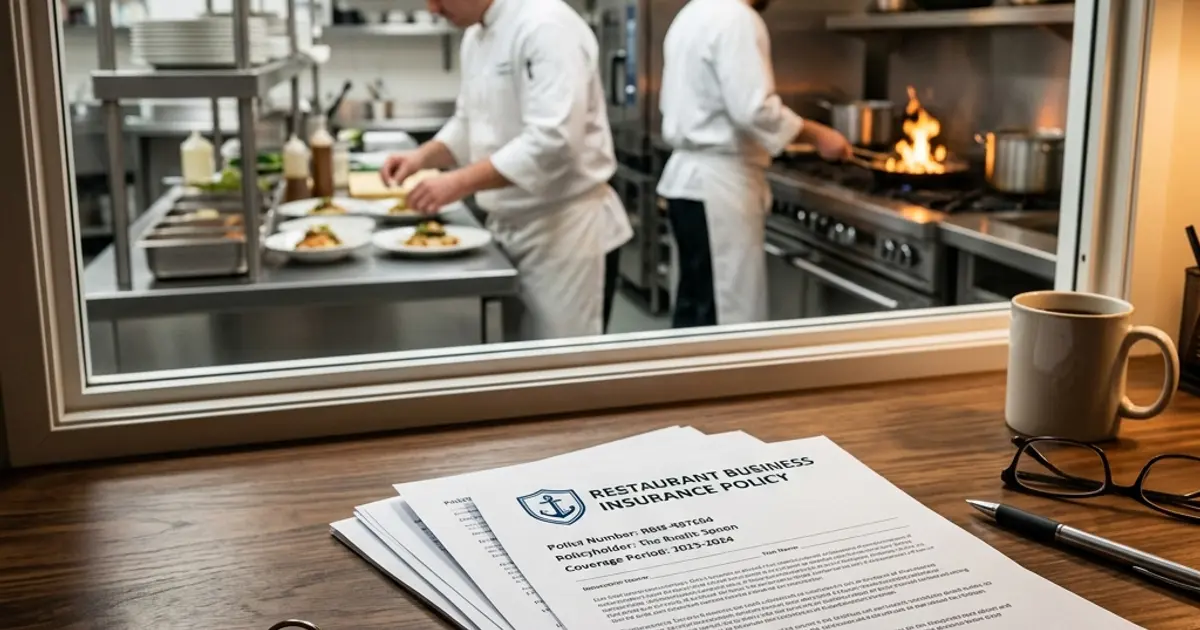
Restaurant insurance claims related to kitchen fires are routinely denied when the restaurant cannot produce documentation of regular, professional hood cleaning. Insurance companies view hood cleaning compliance as a fundamental risk management requirement, and failure to maintain proper records can void fire coverage entirely. Understanding the relationship between hood cleaning and your insurance policy is essential for protecting your restaurant investment and ensuring that your coverage actually pays when you need it.
What Insurance Companies Require
Most commercial property and general liability insurance policies for restaurants include a maintenance clause that requires the policyholder to maintain the premises in compliance with applicable fire codes. Since NFPA 96 (National Fire Protection Association Standard for Ventilation Control and Fire Protection of Commercial Cooking Operations) is adopted by virtually every jurisdiction in the United States, compliance with NFPA 96 cleaning schedules is implicitly required by your insurance policy even if the policy does not specifically mention hood cleaning.
Many insurers have moved beyond implicit requirements and now explicitly require documented hood cleaning. Some common policy provisions include requiring professional cleaning at least quarterly, requiring cleaning by a certified contractor (typically IKECA, the International Kitchen Exhaust Cleaning Association), requiring the restaurant to maintain cleaning certificates on file for at least three years, and requiring that cleaning documentation be available for inspection upon request. If you are unsure about your policy's specific requirements, ask your insurance agent or review the policy's maintenance and compliance sections.
How Insurers Verify Compliance
Insurance companies verify hood cleaning compliance through several mechanisms. During the underwriting process, many insurers request copies of recent cleaning certificates before issuing or renewing a policy. Some insurers conduct periodic property inspections where an inspector physically examines the kitchen and requests cleaning records. After a fire loss, the insurance adjuster's investigation always includes a review of maintenance records, and the lack of cleaning documentation is one of the first things they look for.
Adjusters specifically look for cleaning certificates that include the date of service, the name and certification details of the cleaning company, a description of what was cleaned, and before and after photographs. Gaps in the cleaning schedule, such as no documentation for 6 or more months when quarterly cleaning is required, raise immediate red flags. Our guide to hood cleaning documentation requirements explains exactly what records you should maintain and for how long.
What Happens to Claims Without Cleaning Records
When a restaurant fire originates in or near the kitchen exhaust system and the restaurant cannot produce adequate cleaning records, the insurance company has several options, none of which favor the policyholder. The most common outcome is claim denial. The insurer argues that the policyholder failed to comply with the maintenance obligations of the policy, and the grease accumulation that caused or contributed to the fire is a direct result of that failure.
Even when the fire does not originate in the exhaust system, a lack of cleaning records can complicate claims. If grease buildup contributed to the spread of the fire (which it almost always does in commercial kitchens), the insurer may argue comparative negligence and reduce the claim payout accordingly. In extreme cases, the insurer may rescind the policy entirely, arguing that the policyholder's failure to maintain the premises constituted a material misrepresentation of the property's condition.
The financial impact of a denied fire claim is devastating. The average restaurant fire causes $23,000 in property damage according to NFPA statistics, but total losses including business interruption, equipment replacement, build-out restoration, and lost revenue commonly exceed $100,000 to $500,000. Without insurance coverage, these costs fall entirely on the restaurant owner. Understanding what is at stake makes the $300 to $600 cost of professional hood cleaning seem trivial by comparison. Learn what happens when compliance lapses in our guide to failed hood cleaning inspections.
Impact on Insurance Premiums
Maintaining a documented hood cleaning program can positively affect your insurance premiums. Many insurers offer premium discounts for restaurants that demonstrate proactive safety measures, and regular hood cleaning is one of the most recognized risk reduction practices. Discounts of 5 to 15 percent on the fire coverage portion of the policy are common for restaurants that can demonstrate quarterly professional cleaning with full documentation.
Conversely, a history of compliance failures can increase your premiums or make it difficult to obtain coverage at all. If your restaurant has received fire code violations for inadequate hood cleaning, or if a previous claim was complicated by missing cleaning records, you may find that standard insurers decline to cover your restaurant, forcing you into surplus lines markets where premiums are significantly higher.
Some insurance programs specifically designed for restaurants, particularly franchise operations and restaurant groups, have mandatory hood cleaning requirements as a condition of participation. These programs negotiate group rates based on the assumption that all participants maintain minimum safety standards, and individual restaurants that fail to comply may be removed from the group, losing the discounted rate.
Best Practices for Insurance Compliance
To ensure your hood cleaning program satisfies your insurance requirements, follow these best practices. First, clean on a schedule that meets or exceeds NFPA 96 requirements for your kitchen type. Most moderate-volume restaurants need quarterly cleaning. High-volume operations, including charbroiling restaurants, 24-hour diners, and high-capacity kitchens, need monthly cleaning. Review the NFPA 96 cleaning frequency guide to determine your specific requirement.
Second, use a certified professional cleaning company. IKECA certification is the industry gold standard, and many insurers specifically recognize it. Our IKECA certification guide explains what the certification means and why it matters. Third, maintain organized records of every cleaning. Keep certificates, invoices, before and after photos, and any inspection reports in a dedicated file. Digital copies stored in the cloud ensure records survive even if the physical restaurant is damaged.
Fourth, communicate proactively with your insurance agent. Send copies of cleaning certificates to your agent or insurer after each service. This creates a paper trail that documents your compliance in the insurer's own files, making it much harder for a claim to be denied based on alleged non-compliance. Finally, review your policy annually with your agent to ensure you understand any changes to maintenance requirements.
Ready to find a qualified hood cleaning company that provides the documentation your insurer requires? Browse our directory to find certified companies in your area, or read our guide to choosing a hood cleaner to know what to look for.
Frequently Asked Questions
Related Articles
Related Guides
Find Hood Cleaners Near You
Browse our directory of NFPA 96 compliant hood cleaning companies across all 50 states.
Browse DirectoryOwn a hood cleaning business?