5 Warning Signs Your Kitchen Hood Needs Cleaning
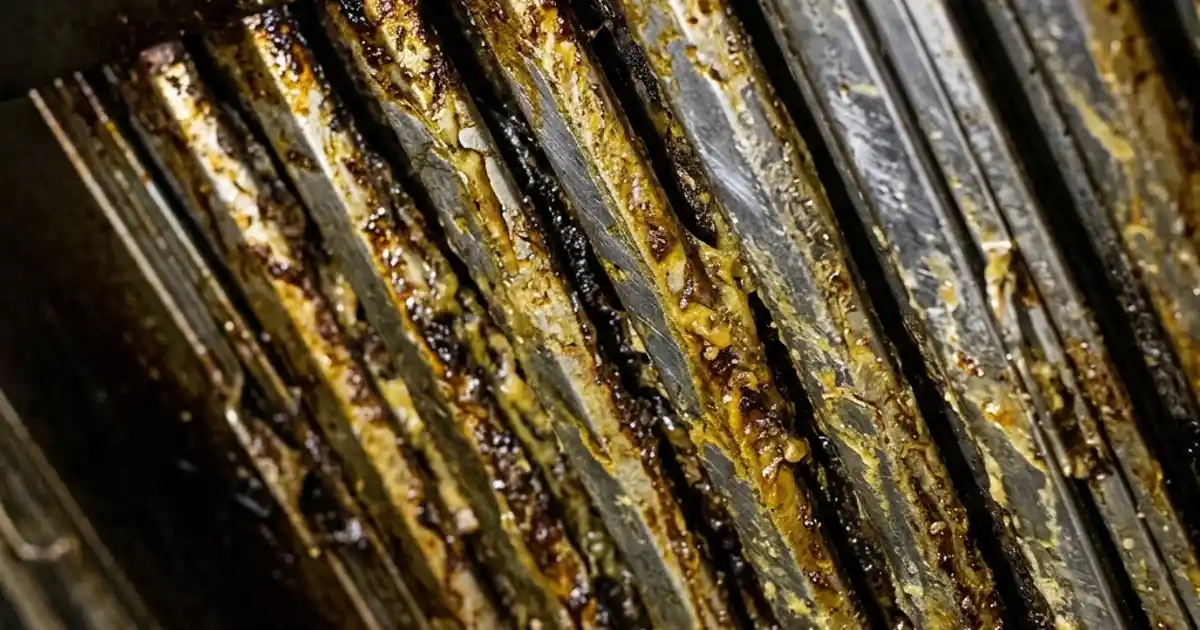
A commercial kitchen hood that needs cleaning presents clear warning signs that restaurant owners and facility managers should never ignore. According to the National Fire Protection Association (NFPA), grease buildup in kitchen exhaust systems is the leading cause of restaurant fires in the United States, responsible for over 7,600 structure fires annually. Recognizing these five warning signs early can prevent fire hazards, health code violations, and costly emergency repairs.
1. Visible Grease Buildup on Filters and Hood Surfaces
The most obvious sign that your kitchen hood needs cleaning is visible grease accumulation on the hood canopy, filters, and surrounding surfaces. When you can see a sticky, yellowish-brown film on the interior of your hood or the baffle filters look clogged and discolored, your system has exceeded safe operating conditions. NFPA 96, the standard governing commercial kitchen ventilation, requires that hoods and filters be cleaned before grease buildup becomes a fire hazard.
Baffle filters should be cleaned or replaced on a regular cycle, typically weekly for high-volume kitchens. If your filters look saturated despite regular cleaning, the entire exhaust system likely needs professional attention. A certified hood cleaning company will degrease the full system from hood to rooftop fan, not just the visible surfaces. You can find certified hood cleaners in your area through our directory.
2. Reduced Airflow and Poor Ventilation
When your kitchen feels hotter than usual, smoke lingers in the cooking area, or steam does not get pulled into the hood efficiently, your exhaust system is likely clogged with grease. Reduced airflow is a dangerous condition because the hood system is designed to capture grease-laden vapors before they deposit on surfaces throughout the kitchen. When airflow drops below design specifications, grease vapors escape the hood and coat walls, ceilings, and equipment, creating additional fire hazards.
A properly functioning exhaust system should create a noticeable draft at the hood opening. If you hold a piece of paper near the edge of the hood and it does not get pulled inward, airflow is compromised. The problem usually originates in the ductwork or at the exhaust fan on the roof, where grease accumulation restricts the passage of air. Professional cleaning restores airflow to design capacity and improves kitchen working conditions. Learn more about how often your hood system should be cleaned based on your kitchen type.
3. Persistent Grease Odors
Commercial kitchens produce cooking odors, but a persistent smell of stale grease that lingers after the kitchen closes indicates a system that needs cleaning. Grease deposits inside the ductwork decompose over time and produce a rancid odor that no amount of surface cleaning will eliminate. This smell can permeate the dining area, affecting customer experience and potentially triggering health department attention.
The odor is caused by accumulated grease in areas you cannot see: inside the duct run between the hood and the rooftop exhaust fan, in access panel areas, and around the fan housing itself. Only a professional hood cleaning service can access and degrease these hidden areas. Most professional cleaners use hot water pressure washing and degreasing chemicals to remove all accumulated deposits.
4. Grease Dripping from the Hood or Ductwork
If you notice grease dripping from your hood canopy, from duct seams, or near access panels, your system is well past due for cleaning. Dripping grease is one of the most dangerous conditions in a commercial kitchen because it indicates that grease has accumulated to the point where it is liquefying from kitchen heat and running down surfaces. This condition creates a direct fire hazard, as liquid grease can ignite from contact with open flames or hot surfaces.
Grease drips can also contaminate food preparation areas, creating health code violations. Fire marshals and health inspectors will flag dripping grease as an immediate hazard, potentially resulting in a shutdown order until the system is professionally cleaned and documented. The documentation requirement is critical because many jurisdictions require a cleaning certificate from an IKECA-certified (International Kitchen Exhaust Cleaning Association) contractor. Read our guide to hood cleaning documentation requirements to understand what records you need to maintain.
5. Failed Fire or Health Inspection
A failed inspection is the most consequential warning sign because it comes with immediate penalties. Fire marshals inspect hood systems for grease accumulation, proper access panel installation, fan operation, and documentation of regular cleaning. Failing an inspection can result in fines ranging from $200 to $10,000 depending on the jurisdiction, mandatory immediate cleaning, follow-up inspections, and in severe cases, a temporary closure order.
Health department inspectors also evaluate hood cleanliness as part of their regular restaurant inspections. Grease buildup visible on filters, hood surfaces, or in the cooking area can result in point deductions that lower your health grade. In municipalities that require posted grades, a drop from an A to a B can measurably impact customer traffic and revenue. If you have failed an inspection, our guide to handling a failed hood cleaning inspection explains the remediation steps and how to prevent future failures.
What to Do Next
If you recognize any of these warning signs in your kitchen, schedule a professional hood cleaning as soon as possible. The cost of professional cleaning, typically $300 to $600 for a standard restaurant system, is a fraction of the cost of a fire, insurance claim denial, or forced closure. NFPA 96 establishes minimum cleaning frequencies based on kitchen type: monthly for high-volume cooking operations like 24-hour restaurants and charbroiling kitchens, quarterly for moderate-volume operations, semi-annually for low-volume kitchens, and annually for seasonal operations.
Use our directory of hood cleaning companies to find qualified, certified providers near your restaurant. Look for companies that are IKECA certified and provide full documentation including before and after photos, a cleaning certificate, and a sticker on the hood showing the date of service. You can also compare hood cleaning companies side by side to evaluate certifications, ratings, and service areas.
Frequently Asked Questions
Related Articles
Related Guides
Find Hood Cleaners Near You
Browse our directory of NFPA 96 compliant hood cleaning companies across all 50 states.
Browse DirectoryOwn a hood cleaning business?